
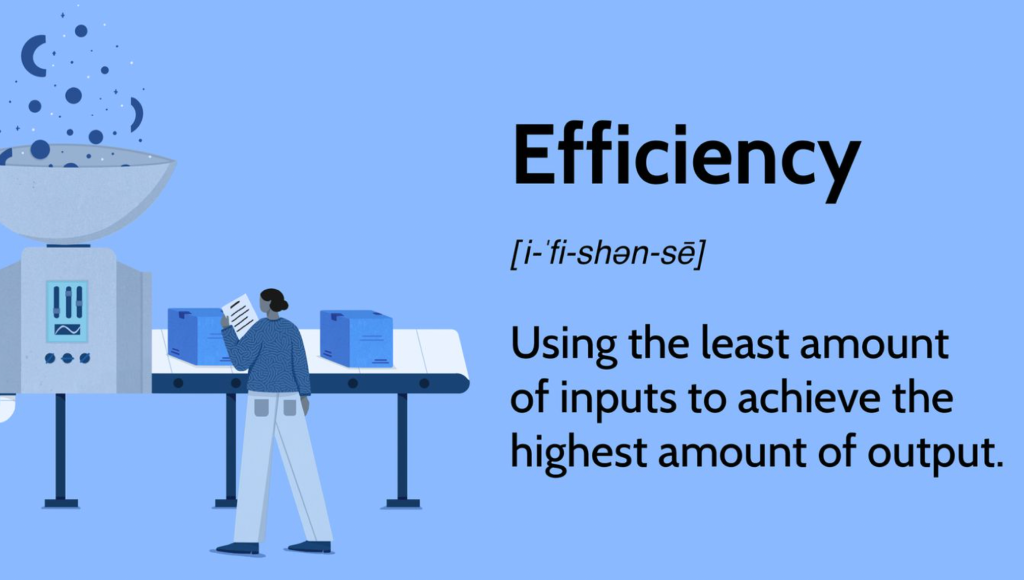
Business productivity improvement has become one of the most important priorities for growing companies. In competitive industries, businesses cannot rely only on working harder. Sustainable success comes from working smarter, building efficient systems, and improving how teams operate daily.
Many companies experience productivity challenges without realizing the root cause. Delayed communication, unclear workflows, repeated manual tasks, poor organization, and operational bottlenecks slowly reduce efficiency across departments. Over time, these small inefficiencies create major business problems.
A strong business productivity improvement strategy helps organizations streamline operations, improve team performance, reduce wasted time, and create systems that support long-term business growth.

Why Business Productivity Improvement Matters
Productivity affects every part of a business. Customer communication, project delivery, internal coordination, reporting, scheduling, and operational management all depend on efficient workflows.
When productivity decreases, businesses experience slower execution, missed deadlines, customer frustration, and increased operational stress. This reduces profitability and makes growth harder to manage.
Business productivity improvement focuses on identifying inefficiencies and building better systems that allow teams to perform more effectively.
Clear Workflow Systems Improve Productivity
One of the biggest causes of low productivity is workflow confusion. Team members may not understand responsibilities clearly, information may be difficult to access, or approval processes may slow down execution.
Strong workflow systems improve operational clarity. Businesses should create organized task structures, documented procedures, reporting standards, and communication channels that help teams work efficiently.
This operational structure is a key part of business productivity improvement.

Reducing Repetitive Tasks Saves Time
Many teams lose valuable hours every week handling repetitive manual work. Email sorting, scheduling coordination, status updates, CRM entries, reporting tasks, and document organization consume significant operational time.
Businesses improve productivity when they streamline or automate these repeated activities. Even small workflow improvements can create major efficiency gains over time.
A successful business productivity improvement strategy focuses heavily on reducing unnecessary operational repetition.
Virtual Professionals Support Productivity Growth
Many companies now use virtual professionals to improve operational performance. Remote assistants, administrative coordinators, customer communication specialists, and workflow support professionals help businesses maintain productivity without increasing office overhead.
Businesses interested in scalable support can explore Hire Now or discover operational insights through the TaskHub Blog.
Virtual support creates more flexibility while helping internal teams stay focused on high-value work.
Communication Efficiency Strengthens Team Performance
Communication problems are one of the most common productivity barriers inside businesses. Delayed responses, unclear updates, scattered information, and inconsistent reporting all reduce operational efficiency.
Businesses improve productivity when communication systems become organized and structured. Teams should have clear communication expectations, shared documentation, organized reporting processes, and defined collaboration workflows.
Strong communication systems are essential for effective business productivity improvement.

Documentation Improves Operational Consistency
Documented processes help businesses maintain productivity consistently. Standard operating procedures, templates, checklists, and workflow instructions reduce confusion and improve execution quality.
Documentation also simplifies onboarding and delegation, helping businesses scale more efficiently.
As businesses grow, documentation becomes an increasingly important part of business productivity improvement.
Technology Helps Businesses Work Smarter
Modern business tools improve organization, communication, and workflow coordination. Project management systems, automation platforms, scheduling software, and collaboration tools help businesses reduce operational friction.
Many companies use platforms like Trello, Asana, and Slack to improve productivity and workflow management.
Technology combined with strong operational systems creates more sustainable productivity improvements.
Leadership Should Focus on High-Value Priorities
Business leaders often become overloaded with operational responsibilities. Instead of focusing on strategy, partnerships, customer relationships, and long-term planning, they spend too much time solving daily workflow issues.
A structured business productivity improvement strategy reduces operational pressure on leadership teams. Better systems, delegation structures, and workflow organization create more time for strategic business development.
This strategic focus helps businesses grow more effectively.
Customer Experience Improves With Higher Productivity
Operational productivity directly affects customer satisfaction. Faster responses, organized scheduling, accurate communication, and reliable service delivery all improve customer experience.
Businesses that improve productivity often improve customer retention and long-term reputation as well.
Customers trust businesses that operate efficiently and communicate professionally.
Productive Businesses Adapt Faster
Modern markets change quickly. Businesses must adapt to new customer expectations, industry changes, and operational challenges regularly.
Companies with strong productivity systems respond faster because workflows remain organized and communication stays clear.
This flexibility creates stronger long-term competitiveness and supports sustainable growth.
Career Opportunities Grow With Productive Businesses
Businesses improving operational productivity often create opportunities for remote professionals, workflow coordinators, administrative assistants, and operational support specialists.
Professionals interested in remote opportunities can explore available positions through TaskHub Careers.
Business Productivity Improvement Supports Long-Term Growth
Growth becomes difficult when operational inefficiencies continue increasing. Productivity improvements create stronger systems, better communication, healthier workflows, and improved scalability.
Business productivity improvement allows businesses to expand more confidently while maintaining service quality and operational stability.
Conclusion
Business productivity improvement is not only about increasing output—it is about building smarter systems that help teams perform efficiently and consistently. Businesses that improve workflows, strengthen communication, reduce repetitive tasks, use skilled virtual professionals, and build operational structure create stronger foundations for sustainable growth.
Companies that prioritize productivity today position themselves for greater efficiency, profitability, and long-term business success in the future.