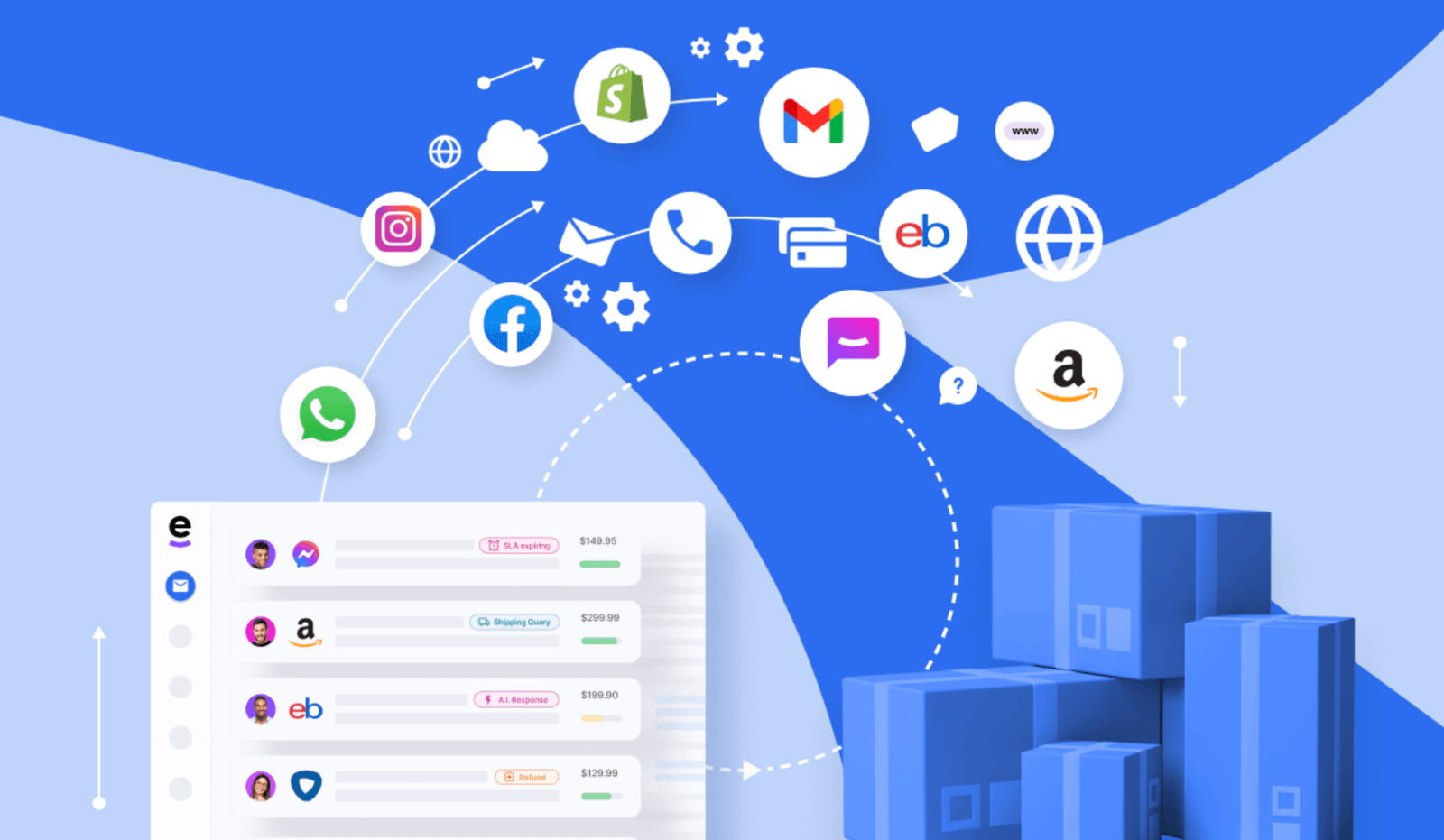

Remote client relationship management is becoming increasingly important for businesses that want to deliver consistent service while managing a growing customer base. As companies expand, maintaining personal communication with every client becomes more challenging. Missed follow-ups, delayed responses, and disorganized customer information can quickly affect customer satisfaction and business reputation.
Virtual professionals can help businesses manage these challenges by supporting communication, follow-ups, scheduling, customer records, and other relationship-focused activities. With the right systems and skilled remote talent, companies can maintain strong client relationships without placing all the responsibility on business owners or internal teams.

Why Client Relationships Drive Business Growth
Acquiring a new customer often requires significant time and marketing investment. Once a customer chooses a business, maintaining that relationship becomes equally important. Satisfied clients are more likely to purchase again, recommend a company to others, and remain loyal over the long term.
Effective remote client relationship management helps businesses stay connected with customers even when internal teams are busy. Regular communication, timely follow-ups, and organized customer information make it easier to provide a consistent experience.
Strong relationships also create opportunities for repeat business. A customer who receives reliable service is more likely to consider the same company when they need additional products or services.
Follow-Ups Should Never Be Forgotten
One of the simplest ways to improve client relationships is consistent follow-up. Businesses often lose opportunities because a potential customer does not receive a response at the right time or an existing client is forgotten after a meeting.
Virtual professionals can maintain follow-up schedules, send reminders, organize appointments, and make sure important conversations do not disappear in a busy inbox.
This makes remote client relationship management especially valuable for growing companies where business owners may not have enough time to personally manage every customer interaction.

Keep Customer Information Organized
Good customer relationships depend on having the right information available at the right time. Contact details, previous conversations, project information, preferences, meeting notes, and follow-up dates should be properly organized.
When customer information is scattered across emails, spreadsheets, and personal notes, employees may struggle to understand the history of a relationship. This can lead to repeated questions, missed details, and inconsistent communication.
A structured customer relationship system gives remote professionals the information they need to provide better support and maintain continuity.
Use Technology to Strengthen Client Communication
Modern technology makes it easier for remote professionals to manage customer relationships. CRM platforms can organize customer information, track sales activities, and provide visibility into ongoing conversations.
Businesses can also use communication and productivity platforms such as Slack, Google Workspace, and Microsoft Teams to keep internal teams connected.
When technology is combined with a well-organized process, remote client relationship management becomes much easier to maintain as the business grows.
Virtual Professionals Can Support Customer Communication
Not every customer interaction needs to be handled directly by a business owner or senior manager. Many communication-related responsibilities can be assigned to trained virtual professionals.
- Responding to routine customer inquiries
- Scheduling client meetings
- Sending follow-up messages
- Updating customer records
- Managing appointment reminders
- Organizing client documents
- Monitoring customer requests
- Preparing meeting notes
Delegating these responsibilities allows senior team members to spend more time on complex customer needs, sales conversations, and strategic business development.
Businesses looking for virtual professionals can explore available talent through the TaskHub Roles page.

Personalized Service Still Matters
Remote support does not mean customer communication should feel automated or impersonal. Customers still want to feel that a business understands their needs.
Virtual professionals can provide personalized service by reviewing customer history before responding, remembering important details, and using a communication style that reflects the company’s brand.
The goal of remote client relationship management should not simply be responding to more messages. It should be creating better and more meaningful customer interactions.
Faster Responses Create Better Experiences
Customers generally appreciate businesses that respond quickly. A delayed response can create uncertainty, especially when customers are waiting for information about a purchase, project, appointment, or service request.
Virtual professionals can monitor communication channels and help businesses respond promptly during designated working hours. They can also identify urgent issues and escalate them to the appropriate person.
Faster response times demonstrate professionalism and show customers that their questions are being taken seriously.
Create Clear Customer Service Processes
Remote professionals perform best when they have clear processes to follow. Businesses should document common customer questions, escalation procedures, communication guidelines, and service standards.
Standard operating procedures make it easier for virtual professionals to provide consistent support. They also simplify onboarding when new team members join the organization.
Clear processes are an important foundation for successful remote client relationship management.
Measure the Quality of Client Relationships
Businesses should regularly evaluate how customers experience their service. Useful measurements can include response time, customer satisfaction, repeat purchases, retention rates, and the number of unresolved requests.
These measurements help identify weaknesses in the customer journey. If response times are increasing or customers are submitting repeated complaints, management can investigate the underlying problem and improve the process.
Regular measurement ensures that remote customer support remains focused on quality rather than simply completing tasks.
Remote Support Can Improve Business Efficiency
Managing customer communication internally can consume a significant amount of time. Business owners may spend hours every week responding to routine questions, scheduling meetings, checking follow-ups, and updating records.
Delegating these responsibilities to qualified virtual professionals can free leadership teams to focus on sales, partnerships, product development, and strategic planning.
This creates a healthier balance between customer service and business development.
Build a Consistent Customer Experience
Customers should receive a consistent experience regardless of which team member handles their request. This becomes especially important as a company grows and adds more employees or virtual professionals.
Shared guidelines, customer records, communication templates, and documented processes help maintain consistency across the entire organization.
A consistent experience strengthens trust and makes the business appear more professional and reliable.

Why Businesses Use TaskHub Virtual Talent
Finding professionals who can communicate effectively and represent a company’s brand can take considerable time. Businesses must review candidates, conduct interviews, evaluate skills, and manage onboarding before a new team member becomes productive.
TaskHub Recruitment Solutions helps businesses connect with pre-vetted virtual talent across operations, marketing, and technical roles. This gives growing companies a flexible way to strengthen their teams while maintaining focus on their core business activities.
If you need additional support for customer communication or other business functions, visit the TaskHub Roles page to explore available talent.
Remote Talent Can Support Long-Term Growth
Customer relationships become increasingly important as a company grows. More customers mean more communication, more follow-ups, and more opportunities to strengthen loyalty.
Building a reliable remote support structure allows businesses to handle increasing workloads without putting unnecessary pressure on leadership teams.
Professionals interested in joining a remote workforce can also explore opportunities through the TaskHub Careers page.
Conclusion
Remote client relationship management gives growing businesses a practical way to maintain strong customer connections while improving efficiency. With skilled virtual professionals, organized customer information, clear communication processes, and the right technology, companies can provide faster and more consistent service.
The strongest customer relationships are built through reliability, communication, and attention to detail. By using virtual talent strategically, businesses can maintain those qualities while freeing their internal teams to focus on higher-value responsibilities.
For businesses ready to strengthen their customer support and build a more flexible workforce, explore the available TaskHub virtual talent and discover more business and hiring insights through the TaskHub Blog.