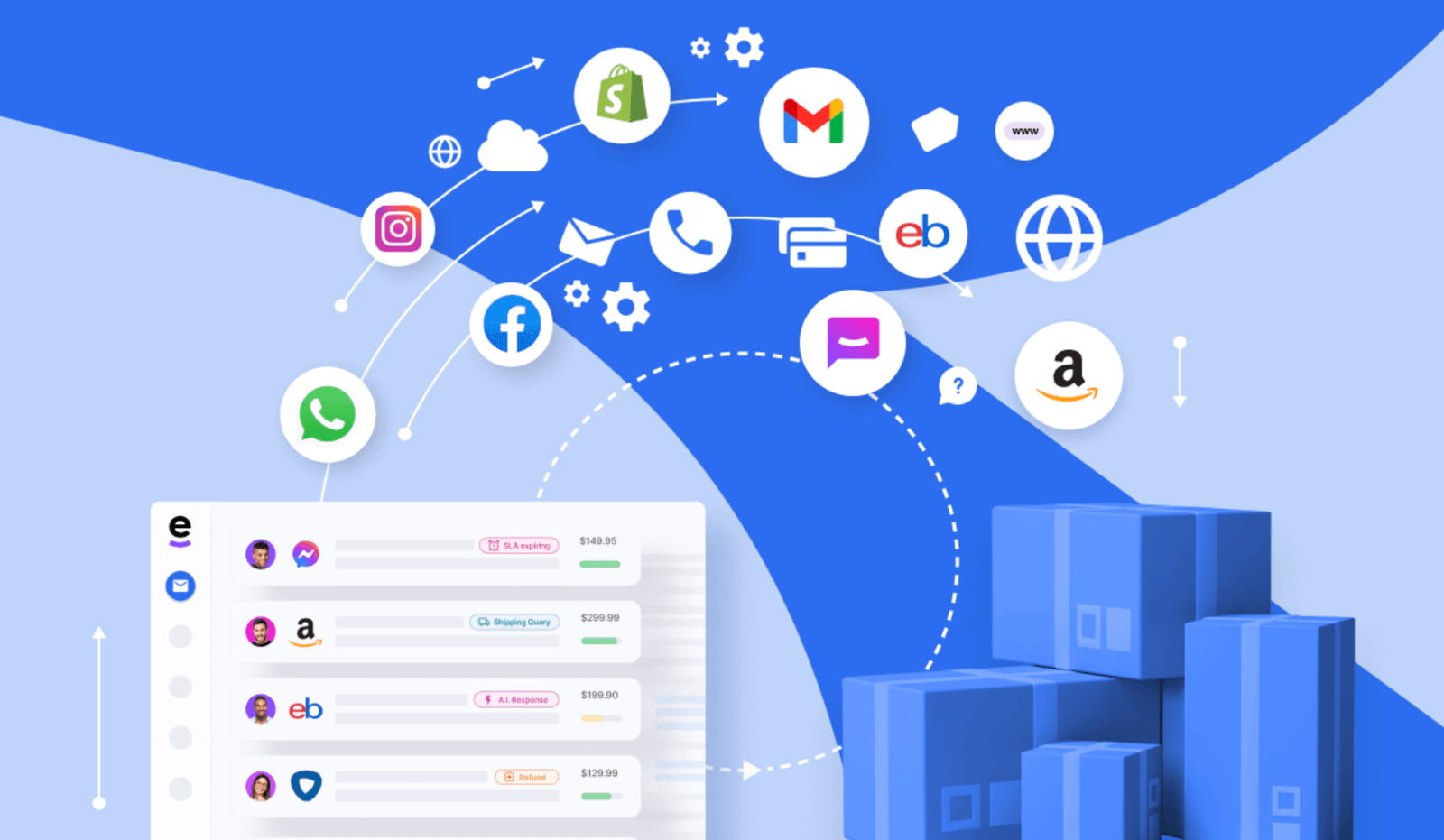

Business process optimization is becoming one of the strongest competitive advantages for modern companies. Businesses today operate in fast-moving markets where efficiency matters just as much as innovation. While many organizations focus heavily on sales growth, customer acquisition, and marketing expansion, they often overlook the systems that keep daily operations running smoothly.
A well-planned business process optimization strategy improves how work moves inside a company. It reduces delays, eliminates repeated mistakes, strengthens communication, and creates better workflows that support long-term business growth. Companies that optimize their processes become more productive, more profitable, and easier to scale.

Why Business Process Optimization Matters
Every business has processes. Customer service workflows, lead management systems, onboarding procedures, internal approvals, scheduling operations, documentation standards, and communication structures all shape how efficiently a company operates.
Without strong systems, teams often spend too much time fixing avoidable issues. Work gets delayed, responsibilities become unclear, and leaders become overwhelmed with operational noise. This is where business process optimization creates measurable impact.
When companies improve their workflows, they reduce friction and create smoother operations that allow teams to perform at a higher level.
Operational Bottlenecks Slow Business Growth
Many growing companies face hidden bottlenecks that reduce efficiency. These include slow approvals, repeated manual data entry, poor documentation, inconsistent follow-ups, communication gaps, and unclear ownership of tasks.
Over time, these small operational issues become major barriers to growth. A strong business process optimization strategy identifies these bottlenecks early and redesigns workflows to remove unnecessary delays.
Efficient businesses move faster because their systems support momentum instead of slowing it down.

Clear Workflow Systems Increase Productivity
Productive companies do not depend on chaos, memory, or informal communication. They build documented systems that define how tasks move from one stage to another.
For example, customer inquiries should follow a clear path. Internal approvals should have defined timelines. Reporting should use standardized formats. Team communication should follow organized channels.
Strong workflow design is a central part of business process optimization, and it creates consistency across the business.
Virtual Talent Supports Process Optimization
Businesses often need operational support to maintain strong systems. Skilled virtual professionals can help organize documentation, manage customer communication, update CRM records, coordinate scheduling, monitor workflows, and maintain operational consistency.
Companies looking to strengthen internal systems can explore support through Hire Now, review career opportunities via Careers, or read additional business insights on the TaskHub Blog.
With structured support, process improvements become easier to maintain over time.
Communication Efficiency Improves Team Performance
Communication problems create major operational friction. Teams often lose productivity because updates are unclear, responsibilities are misunderstood, and important details get lost across multiple tools.
A successful business process optimization approach improves communication systems by creating clear reporting structures, defined communication channels, shared documentation, and better meeting organization.
When communication becomes clearer, execution becomes stronger.

Automation Strengthens Business Process Optimization
Automation can improve operational speed significantly when applied properly. Follow-up reminders, scheduling confirmations, CRM updates, workflow notifications, reporting triggers, and routine approvals can often be streamlined using automation tools.
Businesses commonly use platforms like Zapier, Asana, and Monday.com to support workflow automation and project organization.
Combined with strong human oversight, automation becomes a powerful extension of business process optimization.
Documentation Makes Processes Repeatable
Optimized businesses document how work should be completed. They use operating procedures, checklists, templates, and workflow guides to create consistency.
Documentation reduces confusion, improves onboarding, strengthens delegation, and helps teams perform work correctly every time.
This repeatability is one of the strongest benefits of business process optimization.
Customer Experience Improves With Better Processes
Operational efficiency directly affects customers. Faster replies, accurate scheduling, smoother onboarding, professional communication, and reliable service delivery all come from strong internal systems.
When businesses improve their processes, customers feel the difference through better service quality.
That improves trust, retention, and long-term business reputation.
Leaders Gain More Strategic Time
One of the biggest hidden costs in business is leadership distraction. Many business owners spend too much time solving small operational problems that better systems could prevent.
A strong business process optimization strategy removes unnecessary operational pressure from leadership teams. This creates more time for planning, partnerships, customer strategy, and expansion decisions.
Strategic focus creates stronger growth.
Business Process Optimization Builds Scalable Companies
Scaling a business requires structure. More customers, more communication, and more projects create complexity. Without optimized systems, growth becomes difficult to manage.
Business process optimization creates scalable infrastructure. Teams become more organized, workflows become smoother, and operational performance becomes more reliable.
Businesses that optimize today build stronger companies for tomorrow.
Conclusion
Business process optimization is not just an operational improvement—it is a business growth strategy. Companies that improve workflows, strengthen communication, build documentation, use virtual support, and apply smart automation create long-term competitive advantages.
Efficient businesses are more productive, more profitable, and more prepared for sustainable growth in a competitive market.