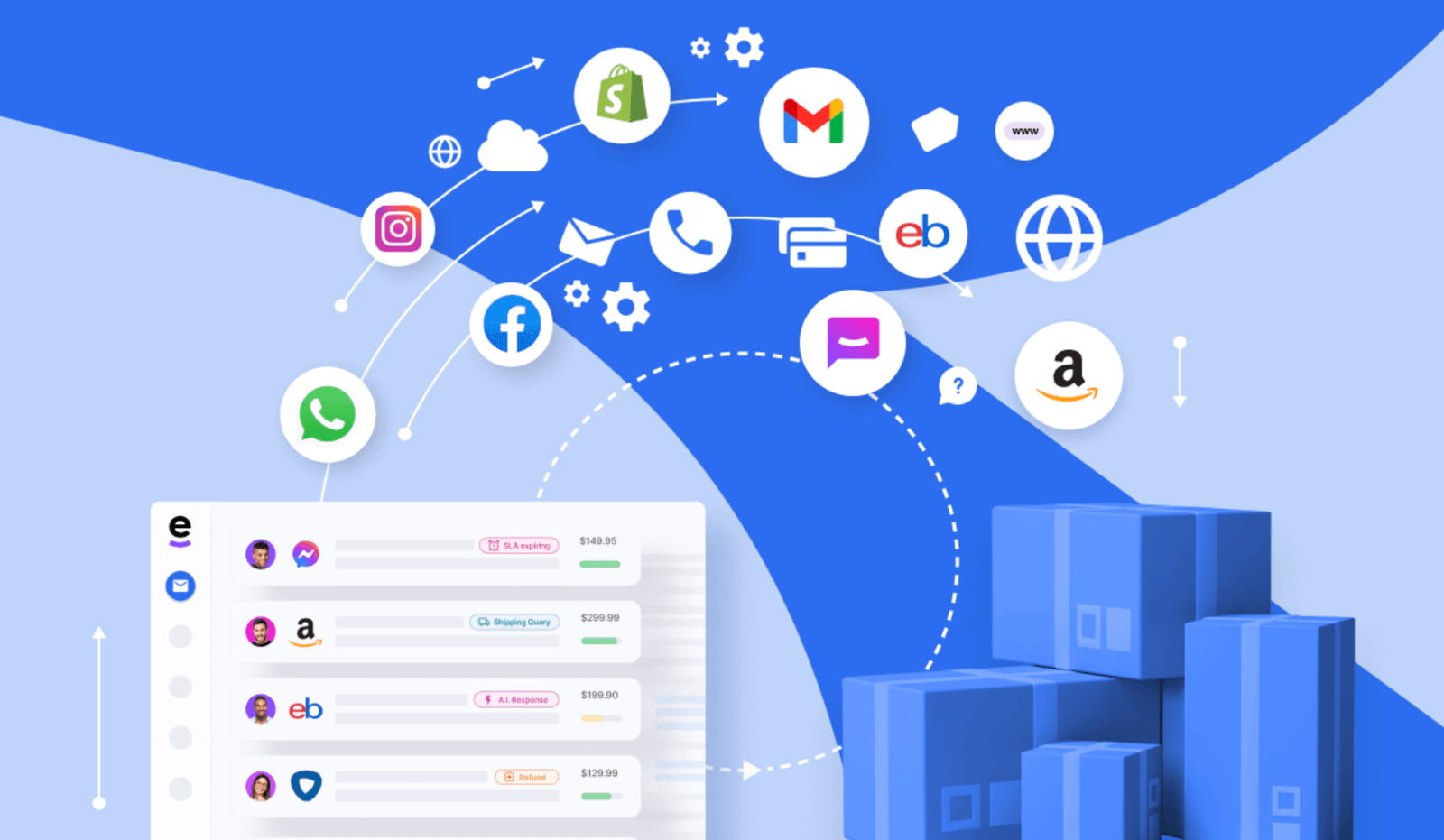
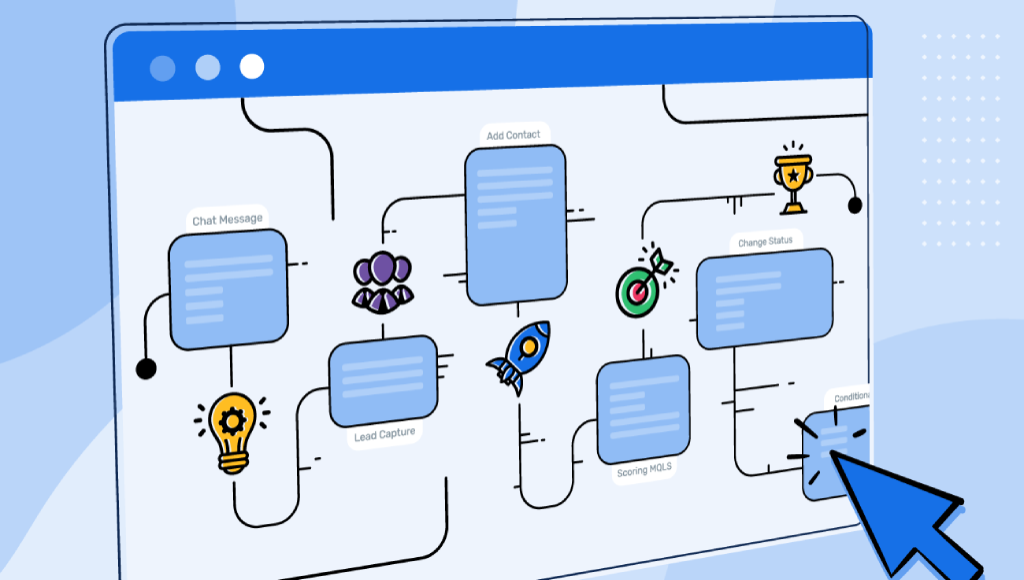
Business workflow automation is rapidly becoming one of the most important growth strategies for modern businesses. Companies that automate repetitive processes, improve operational systems, and build smarter workflows are scaling faster than businesses still relying on outdated manual operations. In today’s competitive market, business workflow automation is no longer optional—it is becoming essential.

Why Business Workflow Automation Matters
Every business runs on workflows. Customer onboarding, internal communication, reporting, scheduling, invoice processing, sales follow-up, CRM updates, and operational coordination all depend on systems. When these systems are handled manually, businesses lose valuable time and increase the risk of mistakes.
Business workflow automation improves operational speed, creates consistency, and reduces unnecessary manual effort. It allows leadership teams to focus on strategy instead of routine administration.
Reducing Manual Operational Work
One of the biggest benefits of automation is reducing repetitive tasks. Manual data entry, follow-up reminders, lead tracking, scheduling coordination, and workflow approvals can often be automated or streamlined using smarter systems supported by virtual professionals.

This creates smoother operations, better productivity, and fewer operational delays.
Virtual Talent Makes Automation Stronger
Automation does not remove the need for skilled people—it makes skilled people more effective. Remote professionals can manage CRM systems, maintain workflows, oversee documentation, monitor communication channels, and support operational automation strategies.
This is where virtual hiring solutions create real business value.
Better Customer Experience Through Smarter Systems
Customers benefit when businesses operate efficiently. Faster replies, consistent communication, better scheduling, and organized service delivery all improve customer trust.
Business workflow automation helps create that consistency behind the scenes.
Internal Process Improvement
Strong internal systems improve accountability, reduce confusion, and make delegation easier. Businesses that automate processes create stronger foundations for growth.
Explore more operational insights on the TaskHub blog or discover talent opportunities through TaskHub Careers.

Recommended Tools for Business Workflow Automation
Businesses often use operational tools to support automation, including project management software, CRM systems, workflow builders, and cloud collaboration platforms. Popular solutions include Zapier, Trello, and Slack for workflow communication and automation support.
These outbound resources help companies build better automation strategies.
Scaling Smarter, Not Harder
Growth should not create operational chaos. Businesses that build automated systems supported by talented remote professionals can scale faster, reduce friction, and improve service quality.
Conclusion
Business workflow automation is one of the smartest investments a company can make. Combined with structured systems and skilled virtual professionals, automation helps businesses become more productive, more efficient, and more scalable for long-term success.